

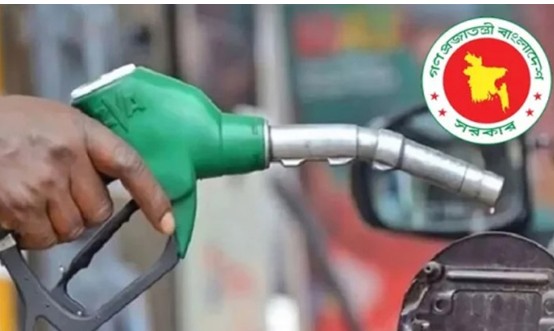
Dhaka: The government has undertaken a fresh initiative to import 480,000 metric tonnes of fuel oil to strengthen the country’s strategic fuel reserves amid ongoing geopolitical tensions in the Middle East and ensure uninterrupted energy supplies for industries, agriculture and transportation.
Under the decision, Bangladesh will import 390,000 metric tonnes of diesel and 90,000 metric tonnes of jet fuel, as part of its plan to maintain a 90-day national fuel reserve.
Singapore-based Unipec Singapore Pte. Ltd. will supply the fuel at an estimated cost of Tk 7,672.66 crore through an international competitive tender process.
According to the Energy and Mineral Resources Division, the Cabinet Committee on Government Purchase has already granted policy approval to the proposal submitted by the Bangladesh Petroleum Corporation (BPC).
Confirming the development, Joint Secretary of the Energy and Mineral Resources Division Monir Hossain Chowdhury said Bangladesh generally imports diesel and jet fuel every six months based on domestic demand.
“Accordingly, BPC submitted a proposal to meet fuel demand for June, July and August. The proposal was approved by the Cabinet Committee on Government Purchase, and we have already issued the necessary administrative clearance,” he told BSS.
He said BPC has now been instructed to issue the Notification of Award (NOA) to the selected supplier, after which the fuel delivery process will begin.
Strengthening energy security
Officials said the decision comes as international fuel markets remain volatile due to renewed geopolitical tensions in the Middle East and security concerns surrounding the Strait of Hormuz, one of the world’s most important oil shipping routes.
They said the government has prioritized maintaining uninterrupted industrial production, agricultural activities, transportation and overall economic stability by strengthening the country’s fuel reserves.
BPC Manager (Trade and Operations) Md. Mizanur Rahman said the Cabinet Committee approved the procurement proposal on June 10, while BPC received the official approval on June 17.
“The NOA has already been issued to the supplier. Once the final agreement is signed, fuel deliveries will begin shortly,” he said.
He added that the government’s objective is to maintain a 90-day fuel reserve across the country.
“At present, Bangladesh has fuel reserves sufficient for around 60 days. Regular imports every six months will continue to ensure uninterrupted supply,” he said.
Import cost and financing
According to the BPC proposal submitted to the Energy Division on May 24, the total import cost is estimated at US$622.53 million, equivalent to approximately Tk 7,672.66 crore, based on the May 13 Sonali Bank exchange rate of US$1 = Tk 123.25.
Officials said the final expenditure may vary depending on international fuel prices and exchange rate fluctuations.
The proposal states that the procurement will be financed primarily through BPC’s own funds, with additional financing arranged through bank loans or government support if required.
Global market volatility
BPC said international fuel prices have remained elevated since March 2026 following renewed geopolitical tensions in the Middle East.
Security concerns in the Strait of Hormuz have forced many vessels to take longer shipping routes, increasing transit time, freight charges and insurance costs due to higher war-risk premiums.
According to the proposal, diesel prices rose to a record US$284.95 per barrel on April 2, 2026, surpassing the previous peak of US$178.91 per barrel recorded during the Russia-Ukraine conflict in 2022.
The average diesel price increased from US$85.997 per barrel in February to US$187.904 per barrel in April, representing a rise of 118.5 percent.
Despite higher international premiums, BPC’s tender evaluation committee concluded that the price secured through open international competition remains reasonable under prevailing market conditions.
No immediate risk of fuel shortage
Officials of the Energy and Mineral Resources Division said there is currently no shortage of fuel oil in Bangladesh, with existing reserves sufficient to meet national demand for approximately 60 days.
They added that the government has prioritized opening letters of credit for fuel imports despite ongoing foreign currency constraints to prevent any disruption in supply.
“There is no possibility of any disruption or crisis in the country’s fuel oil supply chain,” Joint Secretary Monir Hossain Chowdhury said.
Officials also said the government is continuing to implement an automatic fuel pricing mechanism linked to international market trends while expanding national fuel storage capacity to enhance preparedness for future emergencies.
They reiterated that ensuring uninterrupted fuel supplies for the country’s industrial, agricultural and transportation sectors remains a top government priority.
