
Bangladesh and Türkiye often describe their relationship as brotherly, historic and strategic. The friendship between the two countries is genuine and deeply rooted in history. However, in today’s changing world, warm relations alone are not enough. The challenge now is to transform this historic friendship into a stronger partnership based on trade, investment, defence cooperation, technology, education and people-to-people connections.
The ties between Bengal and the Turkish world go back centuries. Turkish influence reached Bengal in the early thirteenth century and contributed to the development of administration, education and Islamic institutions. The arrival of Hazrat Shah Jalal in Sylhet in 1303 further strengthened spiritual and cultural links that remain important to this day.
These historical connections gained new meaning during Türkiye’s War of Independence. Bengali Muslims closely followed the struggle led by Mustafa Kemal Atatürk. Poets and intellectuals in Bengal saw Türkiye as a symbol of national pride, dignity and progress. As a result, Türkiye continues to enjoy goodwill among many people in Bangladesh.
Modern diplomatic relations began later. Türkiye formally recognized Bangladesh in 1974, and both countries established embassies in the following years. Since then, relations have steadily expanded through high-level visits and cooperation in international forums.
Over the years, leaders from both countries have exchanged visits and strengthened political ties. Bangladesh and Türkiye also became founding members of the Developing-8 (D-8) group, reflecting their shared interest in economic cooperation among developing nations.
Like any relationship, there have been challenges. Diplomatic tensions emerged in 2016 over differing views on war crimes trials in Bangladesh. However, both countries successfully moved beyond those disagreements and restored cooperation. This demonstrated the resilience of the relationship and the willingness of both sides to focus on common interests.
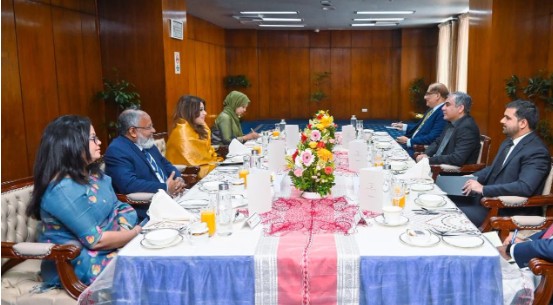
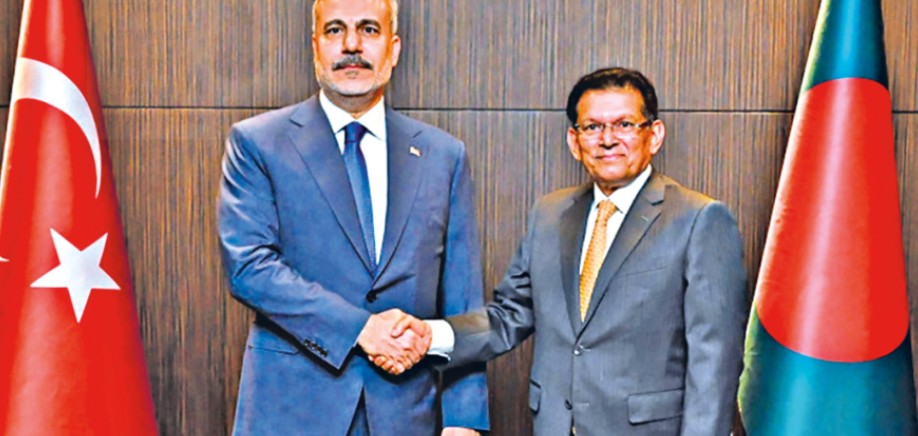
In recent years, Bangladesh and Türkiye have shown a stronger desire to build a more structured partnership. Turkish Foreign Minister Hakan Fidan’s visit to Dhaka in 2026 highlighted efforts to deepen cooperation through regular consultations and stronger institutional mechanisms. Such steps are important because long-term partnerships require practical actions rather than symbolic gestures.
The Rohingya crisis remains one of the most important areas of cooperation. Türkiye has been one of the most visible supporters of Rohingya refugees through humanitarian assistance in Cox’s Bazar. Turkish organizations have provided food, healthcare and other essential services to displaced people.
Bangladesh appreciates this support. However, both countries can do more by working together to keep international attention focused on the crisis and by advocating for the safe, voluntary and dignified return of the Rohingya to Myanmar.
Trade is another area where there is significant room for growth. Bilateral trade currently stands at around one billion dollars, but both countries aim to increase it substantially. Bangladesh mainly exports garments and jute products to Türkiye, while Türkiye exports machinery, cotton, chemicals and industrial materials.
To achieve higher trade volumes, both sides need to improve market access, encourage investment and remove barriers that businesses face. Bangladesh can attract Turkish investment in sectors such as textiles, pharmaceuticals, information technology, renewable energy, shipbuilding and infrastructure.
Defence cooperation is emerging as one of the most promising aspects of the relationship. In recent years, Bangladesh has shown interest in Turkish defence technology, including drones, radar systems and military equipment. Future cooperation should focus not only on procurement but also on training, technology transfer and local manufacturing opportunities.
People-to-people connections are equally important. More Bangladeshi students are studying in Türkiye through scholarship programmes, while tourism and cultural exchanges continue to grow. Expanding academic cooperation, language training, medical partnerships and research collaboration can further strengthen long-term ties.
The broader international environment also makes the partnership more relevant. Türkiye is expanding its role across Asia and the Muslim world, while Bangladesh is emerging as an important economic and strategic player in the Bay of Bengal region. Both countries seek greater economic opportunities, technological advancement and strategic independence.
For this reason, Bangladesh and Türkiye should establish regular mechanisms for cooperation in foreign affairs, defence, trade, education and culture. They should also work together more closely in international forums on issues such as climate change, humanitarian crises, food security and development financing.
Bangladesh can benefit from Türkiye’s industrial and technological experience, while Türkiye can view Bangladesh as an important economic and strategic partner in South Asia.
Bangladesh-Türkiye relations enjoy a unique advantage. They are built on history, strengthened by mutual goodwill and supported by growing strategic interests. The next step is to transform this friendship into a modern partnership that delivers real benefits for both nations.
The future of Bangladesh-Türkiye relations should not depend on shared memories alone. It should be built on practical cooperation, mutual investment and a common vision for growth and development.