
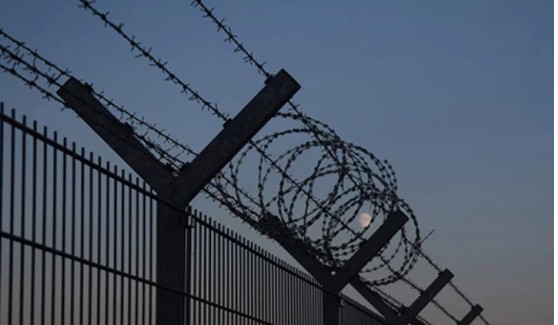
The government has significantly strengthened surveillance and intelligence operations along Bangladesh’s borders, particularly in the Teknaf region and areas adjacent to Myanmar and India, as part of a broader effort to curb narcotics trafficking and reinforce the nationwide anti-drug campaign.
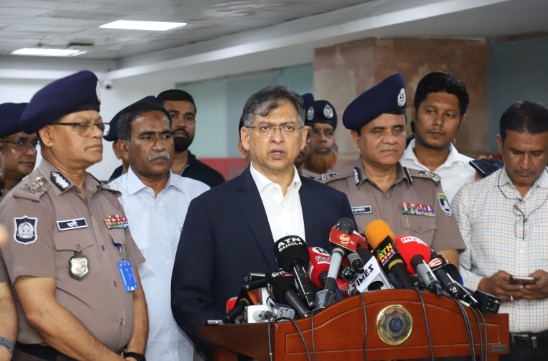
Officials said a coordinated operation involving the Department of Narcotics Control (DNC), Border Guard Bangladesh (BGB), Bangladesh Coast Guard, Police, Rapid Action Battalion (RAB), and intelligence agencies is underway to prevent the smuggling of drugs through enhanced monitoring, intelligence sharing, and joint enforcement activities.
Speaking to BSS, Director General of the Department of Narcotics Control Md Hasan Maruf described drug abuse as a multidimensional social and national security challenge that requires a comprehensive response.
“Families, educational institutions, social organizations and the media must work together alongside law enforcement agencies to protect society from the devastating effects of drugs,” he said.
The government is currently enforcing the Narcotics Control Act, 2018, under which offenders face various penalties, including imprisonment and fines depending on the type and quantity of narcotics involved. Authorities are also working to update and modernize the law to address emerging challenges in drug control.
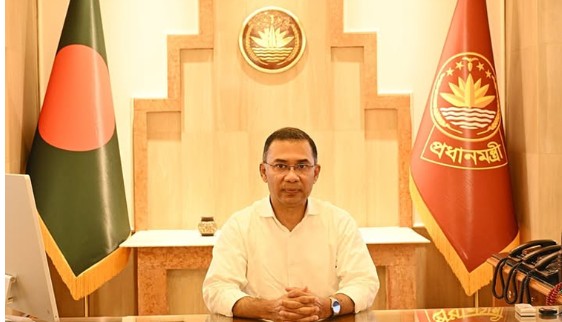
Bangladesh continues to maintain a policy of zero tolerance against drugs, terrorism and online gambling. Prime Minister Tarique Rahman has reiterated the government’s commitment to combating narcotics trafficking and drug abuse, while Home Minister Salahuddin Ahmed has emphasized the importance of strict border monitoring to disrupt smuggling networks.
Alongside enforcement measures, the government is prioritizing treatment and rehabilitation services for individuals struggling with drug addiction.
According to official figures, four government-run and 386 licensed private rehabilitation centres are currently operating across the country. These facilities provide a range of services including detoxification, medical supervision, psychosocial counselling, group and family therapy, and support for social reintegration.
Bangladesh will observe the International Day Against Drug Abuse and Illicit Trafficking on June 26. To mark the occasion, the Department of Narcotics Control will organize a series of awareness programmes highlighting the harmful consequences of drug abuse in line with United Nations initiatives promoting a drug-free world.
Experts have warned that drug addiction is causing significant social and economic damage, with college and university students among the most vulnerable groups. They stressed that effective prevention requires a nationwide social movement involving government agencies, educational institutions, families and civil society organizations.
Prof Dr Arup Ratan Choudhury, Founder President of MANAS, said protecting young people from addiction should be treated as a national priority and suggested the creation of a dedicated anti-narcotics force to strengthen enforcement efforts.
Dhaka University Sociology Department Professor Salma Akhtar emphasized the importance of greater parental involvement and stronger community engagement to keep young people away from drugs.
She also called for stricter action against drug syndicates, expansion of sports and cultural activities for youth, and enhanced accountability within law enforcement agencies.
Officials expressed hope that stronger border surveillance, tougher enforcement, expanded rehabilitation services and greater public awareness would collectively help reduce drug trafficking and addiction across the country.