

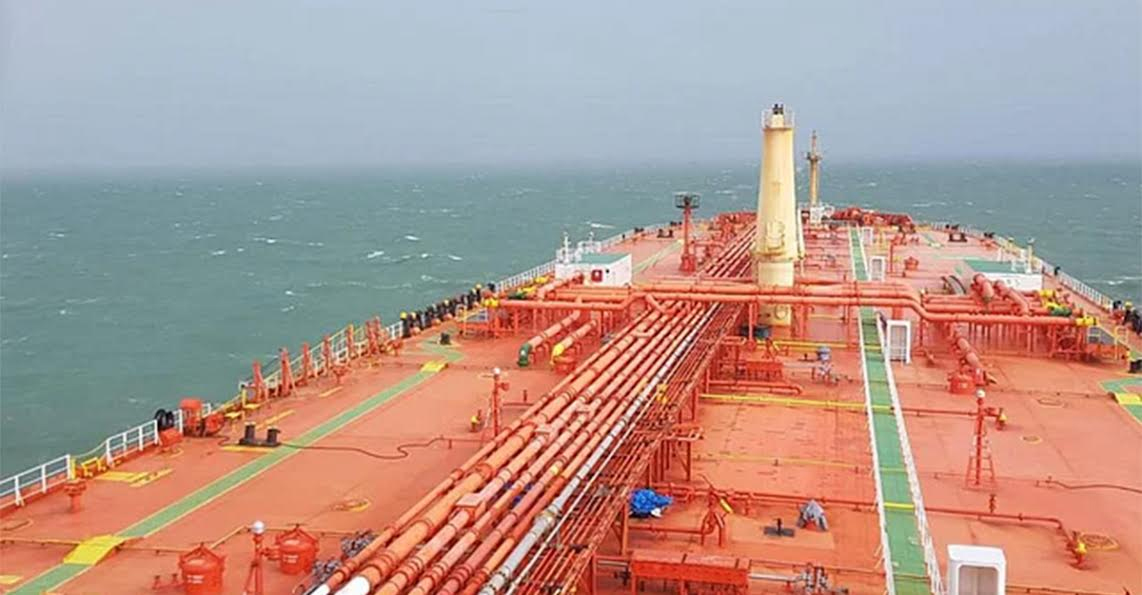
Bangladesh’s Single Point Mooring (SPM) system, designed to speed up the unloading and transportation of imported fuel oil, is expected to begin commercial operations in the first week of February 2027.
Once operational, the system will allow fuel to be transferred directly from large vessels, known as mother vessels, to the Maheshkhali storage facility through subsea pipelines.
From Maheshkhali, crude oil will be transported to Eastern Refinery PLC (ERPLC) in Patenga, Chattogram, while diesel will be supplied to designated facilities, including the Jamuna Oil Company depot.
The Bangladesh Petroleum Corporation (BPC) expects the operating company to complete the deployment of necessary manpower and equipment by January 2027. Commercial operations will begin after the final preparations are completed.
The corporation estimates that the SPM system will significantly reduce fuel unloading time, transportation costs and system losses, generating annual savings of around Tk800 crore.
BPC Chairman Dr Md Rafiqul Islam said the corporation was preparing to launch the facility in early February.
“BPC hopes to launch the SPM in early February next year. Necessary preparations are underway to achieve this target,” he said.
He explained that imported fuel currently has to be transferred from large vessels to smaller lighter ships in the deep sea, increasing transportation costs and extending the unloading process.
“Once the SPM is utilised at full capacity, it will eliminate the need for lighter vessels, drastically cut unloading time and transport costs, and prevent system losses, resulting in annual savings of around Tk800 crore,” he added.
On November 5, BPC signed a five-year contract worth US$128 million with Indonesia’s state-owned PT Pertamina Trans Kontinental for the operation and maintenance of the SPM. The agreement was signed at BPC’s liaison office in Dhaka.
Direct pipeline transfer from mother vessels
Large fuel-carrying vessels cannot currently dock directly at the ERPLC jetty because of channel and draft limitations at Chattogram Port.
Instead, these vessels anchor in the deep sea at the port’s outer anchorage or near Kutubdia Island in the Bay of Bengal. Their cargo is then transferred to smaller lighter vessels, which carry the fuel to the refinery jetty or storage facilities.
The process takes around 11 to 12 days.
The SPM system will replace this method with direct transfer through a floating mooring buoy and subsea pipelines to the Maheshkhali storage facility. Crude oil will then be transported through a pipeline to ERPLC in Patenga, while diesel will be supplied to Jamuna Oil Company and other designated depots.
According to BPC officials, the system will reduce the unloading period from 11-12 days to approximately 48-72 hours. This will also reduce vessel turnaround time, dependence on lighter vessels and transportation expenses.
Two pipelines with an annual capacity of 4.5 million tonnes
The Single Point Mooring with Double Pipeline project was implemented at a cost of more than Tk8,000 crore to modernise Bangladesh’s fuel import, unloading and transportation infrastructure.
Work began in 2018 under a government-to-government agreement between Bangladesh and China. ERPLC implemented the project on behalf of BPC, with construction and commissioning completed in March 2024.
The project includes a floating mooring buoy in the deep Bay of Bengal, west of Maheshkhali, and two parallel pipelines connecting Maheshkhali with Patenga.
Each pipeline is 110 kilometres long, making the combined length 220 kilometres across subsea and onshore routes. One pipeline will transport crude oil, while the other will carry refined diesel.
Each pipeline has a pumping capacity of 900 cubic metres per hour. The crude oil pipeline has an annual design capacity of 4.5 million metric tonnes, while the second pipeline will transport diesel from Maheshkhali to designated depots.
A Pumping Station and Tank Farm (PSTF) has also been constructed in Maheshkhali, featuring six large storage tanks and supporting infrastructure for unloading, storing and distributing imported fuel.
Maheshkhali storage capacity of 200,000 tonnes
The project includes storage facilities in Maheshkhali with a combined capacity of 200,000 metric tonnes. Of this, 125,000 tonnes are allocated for crude oil and 75,000 tonnes for diesel.
Crude oil unloaded from mother vessels will initially be stored in Maheshkhali before being pumped to ERPLC in Patenga. Diesel will be transported to Jamuna Oil Company and other depots.
Officials said there were also future plans to extend fuel supply through pipeline networks to Fatullah and Narayanganj.
Security and maintenance arrangements
BPC has formally requested the Bangladesh Coast Guard, Chattogram Port Authority and Bangladesh Navy to ensure the external security of the offshore infrastructure.
Under the five-year agreement, PT Pertamina Trans Kontinental will operate and maintain the pipelines, mooring buoy and related facilities. The company will also carry out necessary repairs in case of operational damage.
BPC said the project was designed to withstand natural disasters, tidal fluctuations and adverse marine conditions, with regular maintenance and security arrangements given priority.
During the contract period, PT Pertamina will also train BPC officials and employees to operate the facility. This will allow the corporation to take over operations independently after the agreement expires.
ERPLC-2 essential to using full capacity
Although the SPM’s crude oil pipeline has an annual capacity of 4.5 million metric tonnes, ERPLC’s existing unit can currently refine only around 1.5 million metric tonnes a year. As a result, the pipeline will not be able to operate at full capacity immediately.
The construction of the second unit of Eastern Refinery, known as ERPLC-2, is considered essential to making full use of the pipeline’s capacity. Once operational, the expanded refinery will be able to process larger volumes of crude oil.
BPC Chairman Dr Md Rafiqul Islam said the deadline for commissioning ERPLC-2 was 2030.
“Until then, we are exploring alternative ways to utilise the SPM so it does not remain underutilised. Feasibility studies and assessments are currently underway to ensure more effective use of the installation,” he said.
BPC expects the SPM to make fuel imports more efficient, reduce dependence on lighter vessels and lower transportation costs. However, the system’s full potential will depend on the timely completion of ERPLC-2 and effective operational planning.
