

Nearly seven years after The Gambia brought Myanmar before the International Court of Justice (ICJ) over alleged genocide against the Rohingya, the world’s highest court is set to deliver a landmark judgment that could shape international accountability for atrocities against ethnic minorities.
The case, filed on November 11, 2019, concerns alleged violations by Myanmar of the 1948 Convention on the Prevention and Punishment of the Crime of Genocide, particularly during military operations against the Rohingya Muslim minority in Rakhine State in 2016 and 2017.
The judgment, scheduled to be delivered at the Peace Palace in The Hague, is expected to address whether Myanmar violated its obligations under the Genocide Convention and the legal consequences of any violations established by the Court.
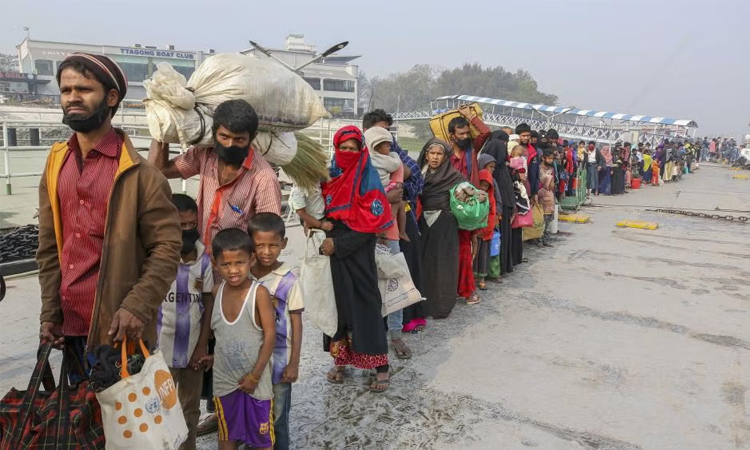
The military crackdown in 2017 forced more than 750,000 Rohingya to flee across the border into Bangladesh. They joined earlier waves of refugees who had escaped persecution and violence in Myanmar.
Reports of killings, sexual violence, destruction of villages and mass displacement triggered international condemnation and demands for justice.
The Gambia alleged that Myanmar’s security forces committed genocidal acts, including killings, serious physical and mental harm, sexual violence and the deliberate destruction of Rohingya settlements, with the intention of destroying the group, in whole or in part.
The proceedings have become a landmark effort to establish state responsibility under international law. Although The Gambia was not directly affected by the alleged atrocities, it pursued the case on the grounds that all parties to the Genocide Convention share an obligation to prevent and punish genocide.
In January 2020, the ICJ unanimously ordered Myanmar to take provisional measures to prevent acts covered by the Genocide Convention, protect the Rohingya from further harm, preserve evidence and submit regular reports on its compliance.
The order was not a final ruling on whether genocide had occurred.
Myanmar challenged the Court’s jurisdiction and the admissibility of the case. However, the ICJ rejected its preliminary objections in July 2022, allowing the proceedings to continue.
Major Implications for Bangladesh
For Bangladesh, which continues to host a large Rohingya refugee population in Cox’s Bazar, the judgment carries major humanitarian and diplomatic significance.
A finding of state responsibility could increase international pressure for accountability, strengthen demands for safe and dignified repatriation and renew efforts to find a lasting solution to the prolonged refugee crisis.
Asked about his expectations from the judgment, Bangladesh’s Law, Justice and Parliamentary Affairs Minister Md Asaduzzaman gave a brief but firm response: “Justice.”
However, the judgment alone will not guarantee the repatriation of Rohingya refugees, compensation for victims or criminal accountability for individual perpetrators. Its implementation will depend on further legal, diplomatic and practical measures beyond the Court’s decision.
The ruling is being closely watched as a major test of the international community’s commitment to preventing genocide and securing justice for victims of mass atrocities.
