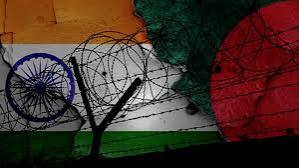

A manufactured humanitarian crisis is unfolding at Bangladesh’s border with India, and the world must pay attention. What began as BJP campaign rhetoric has metastasized into a systematic, state-sponsored program of forced expulsions, unilateral “push-ins” that violate diplomatic norms and inflict human suffering on hundreds of innocent people.
The numbers tell a stark story. Between May 2025 and January 2026, approximately 2,400 to 2,500 individuals were targeted in forced push-in maneuvers. In recent weeks, Border Guard Bangladesh intercepted 21 coordinated eviction attempts, preventing the forced entry of more than 200 men, women, and children. Since June 3 alone, 186 people were stopped across 18 separate incidents.
This is not accidental border tension. This is deliberate policy.
Following the BJP’s electoral victory in West Bengal, the new state government pivoted instantly from the previous administration’s resistance. Within a month, nearly 5,000 alleged irregular migrants were deported, triggering aggressive sweeps at Benapole and Hakimpur. In Assam, now the policy laboratory for exclusion—30,000 people have been declared “foreigners” through the National Register of Citizens, with hundreds systematically pushed toward the Bangladesh border since mid-2025. Tripura, under nearly a decade of BJP rule, has maintained persistent border raids throughout 2025 and 2026.
The mechanism is what India calls “double-engine governance”: seamless coordination between New Delhi and state capitals, armed with the sweeping Immigration and Foreigners Act of 2025, bypassing traditional verification protocols entirely. Border enforcement has become a domestic political weapon.
The humanitarian consequences are severe. When BSF fails to force people into Bangladesh, they are often taken back but most are not allowed to re-enter India. These individuals now live in inhumane conditions in open areas, stranded between two nations, denied basic rights, and abandoned by the state that expelled them.
Bangladesh’s response has been measured and diplomatic. The government raised the issue through formal channels, convened the 57th DG-level BGB-BSF conference in New Delhi, and prepared BGB to resist illegal push-ins across 26 vulnerable districts along the 4,156-kilometer border. Foreign Affairs Minister Shama Obaed correctly noted that formal repatriation procedures exist, India should follow them.
But diplomatic discussions alone cannot stop a strategy driven by domestic political gain. The BJP’s electoral expansion has transformed border enforcement into a political tool, creating a profound geopolitical crisis that threatens regional stability.
The international community must ask: when does border enforcement cross into human rights violations? When does political strategy become a humanitarian catastrophe? The answer is clear: when unilateral expulsions bypass diplomatic protocols, when people are treated as political problems to be “deleted,” and when hundreds of innocent men, women, and children are left stranded in open areas without protection.
Bangladesh stands on principles of sovereignty, respect, and diplomatic dignity. But the world must recognize this crisis. This is not merely a bilateral dispute. This is about how nations treat human beings at their borders. And currently, India’s eastern borderlands are failing that test.
The crisis has risen to the top of India-Bangladesh bilateral agenda. It threatens regional stability. And unless India respects diplomatic protocols and formal repatriation procedures, it will continue to strain relations with its neighbor.
Borders should protect nations. They should not be weaponized to force people out without reason, without process, and without humanity. The world must hold India accountable.