

For decades, millions of people living in rural and marginalised communities across Bangladesh have often felt disconnected from the centres of power. Their struggles, aspirations and daily hardships rarely received sustained national attention except during election periods.
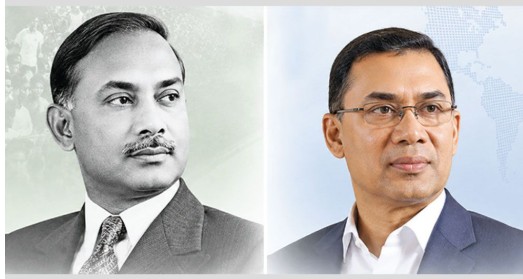
According to supporters of the BNP, one of the first national leaders to directly engage with these communities on a large scale was former President Ziaur Rahman. They argue that he moved beyond city-centred politics and travelled extensively across the country, meeting ordinary people and listening to their concerns.
During his tenure, Ziaur Rahman placed emphasis on rural development, agricultural production, irrigation expansion, canal excavation and strengthening local administration. Initiatives such as village-based development programmes were aimed at improving living standards and creating opportunities for rural communities.
Among his notable efforts was the excavation of canals to support agriculture and rural livelihoods. The Patli Canal project, launched in 1979, is often cited as an example of his focus on grassroots development and self-reliance.
Following his death, many BNP leaders and supporters believe that rural communities once again became less visible in national politics and lost a leader who had maintained direct contact with ordinary citizens.
They argue that Prime Minister Tarique Rahman is now seeking to revive that approach. Since entering politics, Tarique Rahman has consistently emphasized grassroots participation and local leadership.
Between 2002 and 2006, he organized district and upazila-level grassroots conventions aimed at strengthening local political structures and increasing participation from ordinary party workers. Supporters say these initiatives helped bring local concerns into national political discussions.
Even while leading party activities from abroad after 2018, Tarique Rahman maintained regular communication with leaders and activists across the country through digital platforms. According to BNP leaders, he frequently sought opinions from grassroots workers and incorporated their feedback into organizational decisions.
Since assuming office as Prime Minister, Tarique Rahman has continued to visit different parts of the country, meeting residents in remote areas and listening to their concerns firsthand. His recent visits to districts including Cox’s Bazar, Thakurgaon and Chandpur have been presented by supporters as evidence of his commitment to staying connected with people at the grassroots level.
Supporters believe that Bangladesh’s long-term development depends on the progress of rural and marginalised communities. They argue that by focusing on local needs, improving infrastructure and creating opportunities outside major cities, the country can achieve more balanced and inclusive growth.
In their view, Tarique Rahman is continuing a political philosophy that places ordinary people, particularly those living in villages and neglected regions, at the centre of national development.
