Prime Minister Tarique Rahman urged people to remain alert against attempts to create chaos and confusion, warning that such activities could hamper the country’s development and peace and ultimately cause suffering to the people.
“For the past few days, some people have been trying to spread confusion. Everyone must remain alert so that they cannot create any kind of disorder or confusion. Those spreading confusion will go away after serving their own interests, but ultimately it is the people of the country who will suffer,” he said.
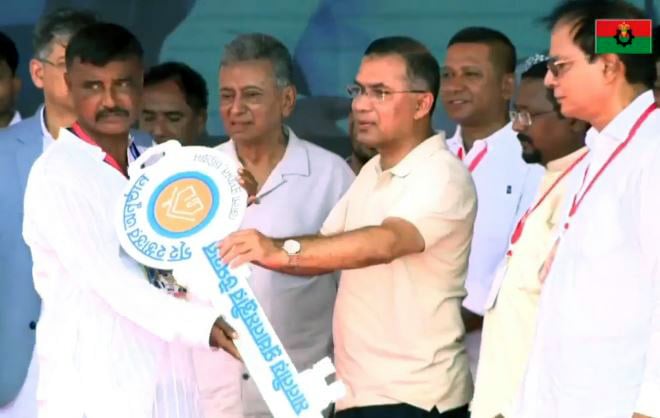
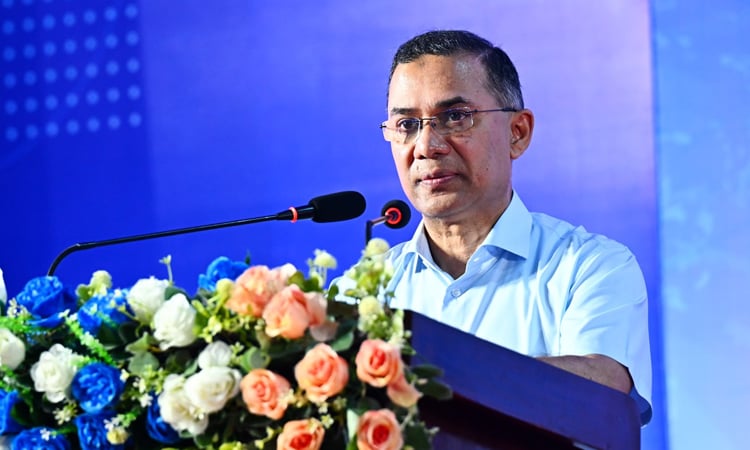
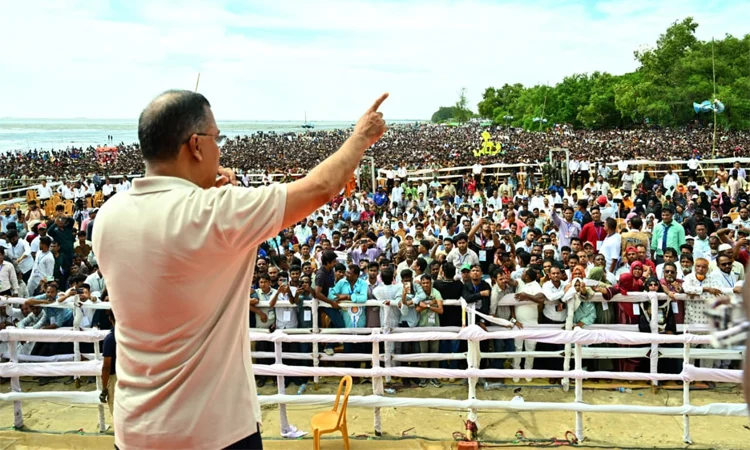
The Prime Minister made the remarks while addressing a programme titled “House Handover, Grant and Relief Distribution” at Banshkhali High School and College ground, organised to rehabilitate families affected by recent floods in Chattogram.
Referring to the government’s development plans to be presented in Parliament, Tarique Rahman said the BNP government would outline its overall plans, including those for the power and energy sector.
“If the opposition or anyone else has any plan, they can present it before the people. But do not create disorder or disturb people’s peace by making misleading statements,” he said.
“More than 50 years have passed since the country became independent. There is no time to look back anymore; now is the time to work and build the country,” he added.
The Prime Minister said the government’s main responsibility was to stand beside the people who elected it and ensure their welfare and social protection.
He said the government would work to support families, ensure education for children, provide proper treatment and create employment opportunities for young people.
Tarique Rahman said the government began implementing its election pledges within a month of assuming office. He said the pilot Family Card project had been completed successfully and the main programme would begin on August 16.
Under the programme, Family Cards will be provided to women heads of around 41 lakh families across the country during the 2026-27 fiscal year. Around 10,000 to 12,000 families in Banshkhali upazila will come under the programme.
He also announced the introduction of a Farmer Card to recognise farmers, including salt farmers. A new price for salt would be announced soon to improve the economic condition of salt farmers, he said.
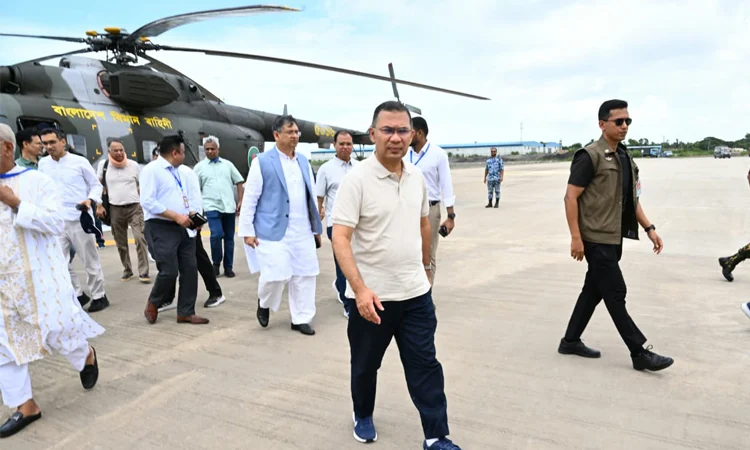
Discussing the development of Chattogram as an economic corridor, the Prime Minister said he had visited Matarbari, Maheshkhali and Mirsarai earlier in the day.
“The vast sea is our national asset. We are working to attract both domestic and foreign investment to the Chattogram region,” he said.
He said a special zone had recently been established for Chinese investors, where new industries would be developed and thousands of young people would find employment.
On healthcare, Tarique Rahman said upazila hospitals would be upgraded from 50 beds to 101 beds within the next five years to improve healthcare services at the grassroots level.
Turning to the power and energy sector, he said the previous government had handed over the sector to a small group of individuals and adopted plans that served their interests rather than those of the people.
He said the present government had already begun reforming the power and energy sector and would present a 10-year plan to Parliament outlining the country’s future electricity system.
“We will formulate a plan to ensure that people get reliable electricity at schools, colleges, hospitals, mills, factories and homes, and proper gas supply for vehicles and other needs,” he said.
Noting that two key ministries—finance and home affairs—had been entrusted to leaders from Chattogram, the Prime Minister urged local people to remain patient and cooperate with development initiatives.
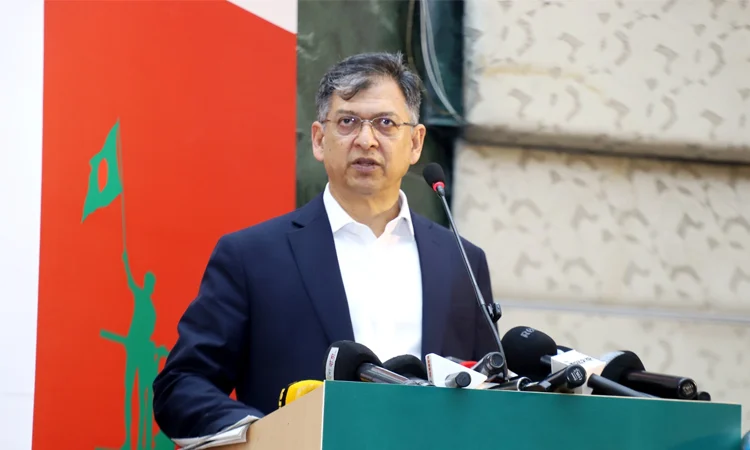
Finance Minister Amir Khosru Mahmud Chowdhury, Home Minister Salahuddin Ahmed and State Minister for Disaster Management and Relief Asadul Habib Dulu addressed the programme.
Senior BNP leaders, officials of the Chattogram district administration and a large number of people attended the event.
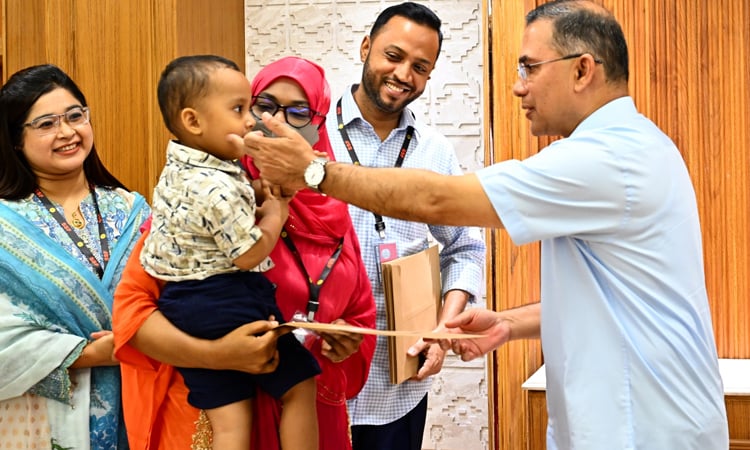
Before the programme, the Prime Minister handed over the keys to a newly built house to a flood-affected family in Baharchhara village under a government rehabilitation programme. He also planted a mahogany sapling in the yard and provided the family with rice, essential commodities, ducks and chickens.