

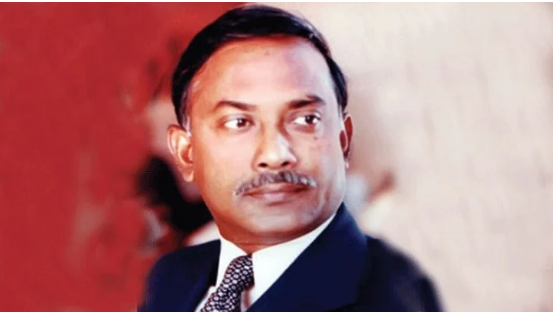
Bangladesh Nationalist Party (BNP) marked its 48th founding anniversary with renewed focus on the historic 19-point programme introduced by its founder, Shaheed President Ziaur Rahman, as party veterans and political analysts highlighted its continued relevance to Bangladesh’s political and socioeconomic development.
The programme, announced on April 30, 1977, outlined a broad vision centred on national sovereignty, self-reliance, democracy, rural development, economic growth and national unity. After becoming President, Ziaur Rahman adopted the 19-point programme as a key guiding principle of his government.
Protecting Bangladesh’s sovereignty was placed at the forefront of the charter. It also outlined four fundamental principles for national life—complete faith and trust in Almighty Allah, democracy, nationalism and socialism, defined as social and economic justice.
Self-reliance and people’s participation in administration and development programmes were among its key priorities. The programme also called for protecting the rights of citizens regardless of religion, caste or creed and strengthening national unity and solidarity.
Given Bangladesh’s agricultural and deltaic landscape, the 19-point programme placed strong emphasis on agricultural growth and effective water management to reduce the impact of floods and droughts. Industrial development and increased production were also identified as essential for national economic progress.
Ensuring people’s basic needs—including food, clothing, shelter, education and healthcare—was another major objective, alongside efforts to eliminate illiteracy.
Rural development occupied a central place in the programme, with a focus on reducing disparities between urban and rural areas, strengthening the rural economy and decentralising administration.
The charter also addressed population control, anti-corruption measures, human resource development, labour rights, civil service reform, land reform, private sector incentives, youth empowerment and women’s participation in mainstream development.
In foreign policy, it called for friendly relations based on equality, respect for sovereignty and non-interference, while emphasising stronger ties with Muslim countries.
Nearly five decades after its introduction, the 19-point programme continues to be regarded by BNP leaders and veterans as a cornerstone of the party’s political and economic vision, with its core principles of self-reliance, rural development, national unity and people-centred development remaining central to its stated goals.
